The Effectiveness of Role-Playing Games in Stimulating Critical Thinking and Empathy
The Transformative Impact of RPGs
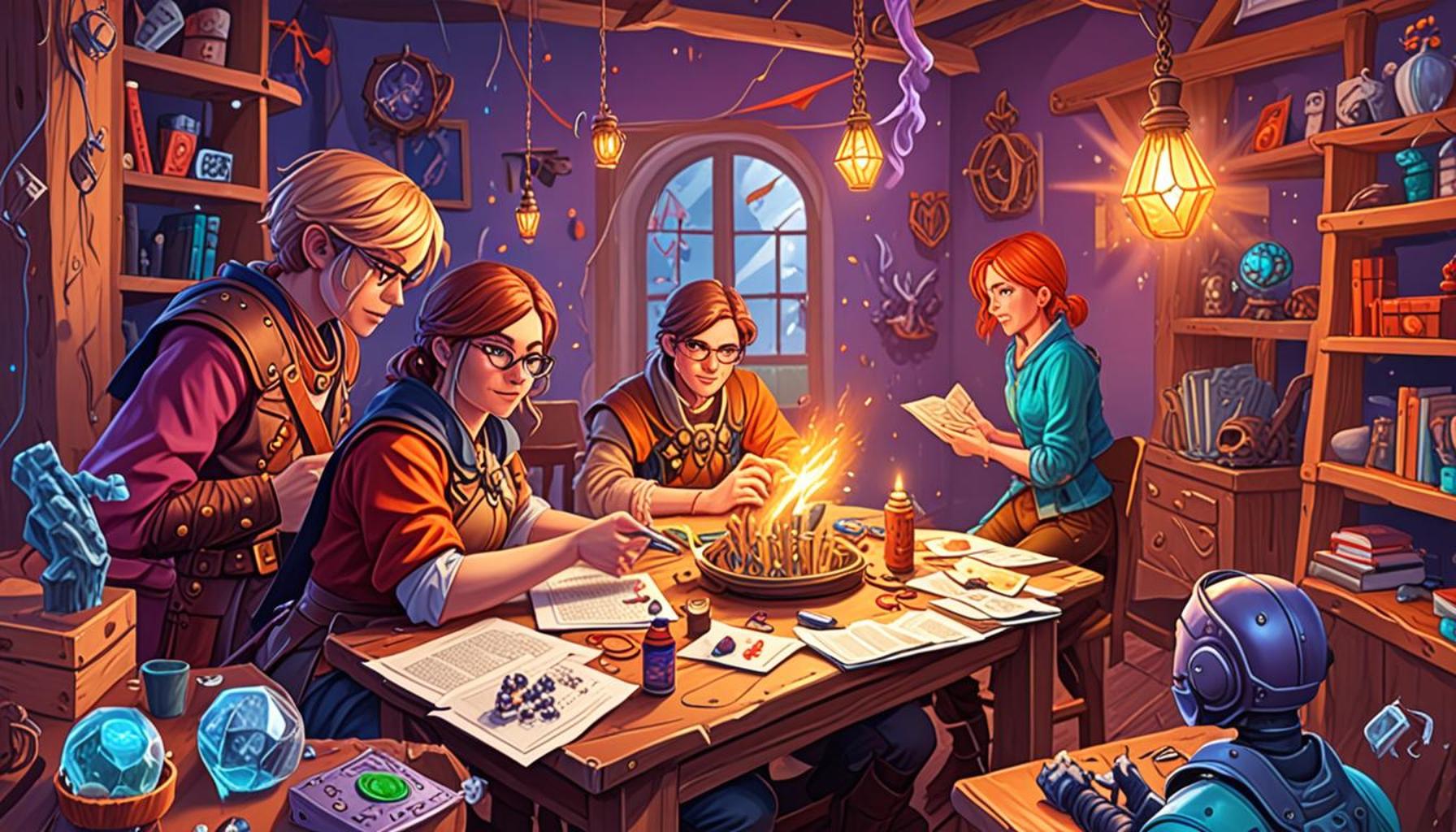
Role-playing games (RPGs) are not just mere pastimes; they are powerful tools for cultivating essential cognitive skills that can shape an individual’s personality and social interactions. These interactive experiences invite players to immerse themselves in intricate narratives, allowing for both entertainment and personal development. In particular, critical thinking and empathy are two crucial areas that can be significantly enhanced through RPGs.
Improving Decision-Making Abilities
RPGs present players with complex scenarios that demand quick and strategic decision-making. For instance, during gameplay, a player might face a moral dilemma where choosing to save a character could put the entire team at risk. This type of challenge requires players to analyze the situation thoroughly, predict the consequences, and weigh their options carefully. As players navigate these intricate decisions, they develop their ability to think critically—skills that are invaluable not just in gaming but also in real-life situations. In Nigeria, where problem-solving skills are increasingly important in the workforce, the aptitude gained from RPGs can give young individuals a competitive edge.
Fostering Empathy Through Diverse Narratives
One of the most profound aspects of RPGs is their ability to enhance perspective-taking. When players embody characters from various backgrounds, cultures, and circumstances, they learn to approach situations from new viewpoints. For example, a Nigerian player role-playing as a character from a different state or even a fictional world experiences life through that character’s lens. This not only broadens their understanding of different cultures but also nurtures a sense of empathy towards others’ experiences, enhancing their ability to connect with diverse individuals in real life.
Promoting Collaboration and Social Skills
Teamwork is often at the heart of RPGs. Players must work together to overcome obstacles and achieve common goals. Engaging in collaborative gameplay facilitates the development of negotiation and communication skills. In Nigerian communities, where social cohesion is vital, the experiences that RPGs offer can strengthen friendships and foster a spirit of collaboration. For instance, groups of friends who come together regularly to engage in RPG sessions may find their bonds deepening as they navigate challenges together, learning to value each other’s strengths and perspectives.
As the popularity of digital and tabletop RPGs continues to rise among Nigerian youth, the potential to leverage these games for educational purposes is undeniably significant. By exploring how these engaging experiences can shape essential skills, we can gain deeper insights into their role in personal and social development. Furthermore, understanding the cultural narratives within the RPGs can help integrate traditional storytelling with modern gameplay, enriching the overall experience.
Ultimately, while RPGs serve as a source of entertainment, they also offer a unique opportunity for growth and introspection. In an ever-evolving world, harnessing the lessons learned from these interactive narratives can pave the way for a more empathetic, critical, and collaborative society.
YOU MAY ALSO LIKE: Read read another article
Unlocking Cognitive Skills through Interactive Gameplay
Role-playing games (RPGs) serve as an innovative forum for developing not just entertainment value but also essential cognitive skills, including critical thinking and empathy. By engaging in rich, narrative-driven experiences, players are prompted to encounter challenges that mirror real-life decision-making processes. This engaging form of entertainment invites players to navigate complex storylines that can influence their overall personal growth.
Decision-Making in High-Stakes Situations
Every RPG session is a minefield of tactical choices. Players must constantly assess the implications of their decisions, enhancing their critical thinking abilities in the process. For example, in a typical session, players might face a pivotal moment where they must decide whether to help an endangered village at the expense of their own resources. This scenario demands that players evaluate their priorities, predict outcomes, and consider the ethical implications of their actions. The cognitive gymnastics required to dissect such dilemmas not only hone critical analysis skills but also lay the groundwork for effective problem-solving in everyday situations.
Expanding Horizons through Character Choices
In RPGs, players are often thrust into diverse roles, allowing them to step into the shoes of characters with varying backgrounds and experiences. This dynamic fosters empathy by compelling players to consider perspectives beyond their own. For instance, when a player embodies a character who lives in a challenging socio-economic environment, they are prompted to reflect on the hardships faced by others in society, including those in their own Nigerian context. Such experiences cultivate a deeper emotional understanding, promoting connections and empathy towards individuals from different backgrounds.
The Role of Group Dynamics in Skill Development
The collaboration inherent in RPGs is another key factor in enhancing social skills and critical thinking. Players often must work together to achieve respective goals, which leads to the following benefits:
- Improved Communication: Players must articulate their thoughts and strategies clearly to coordinate effectively.
- Conflict Resolution: Navigating disagreements during gameplay equips players with skills to resolve real-life conflicts amicably.
- Trust Building: As players rely on each other to reach shared objectives, they develop deeper bonds of trust and camaraderie.
In the context of Nigeria, where communities thrive on unity and mutual support, the collaborative nature of RPGs can strengthen these social fabric ties. Local gaming groups gather around the table or online, forging lasting connections that ultimately benefit the larger community.
As the landscape of RPGs expands, particularly among Nigerian youth, the potential for harnessing these platforms for educational and developmental purposes becomes increasingly significant. By focusing on the benefits of critical thinking and empathy cultivated through RPGs, societies can foster a generation of individuals who are not only skilled problem-solvers but also compassionate and understanding.
| Advantage | Details |
|---|---|
| Enhanced problem-solving skills | Role-Playing Games (RPGs) challenge players to devise elaborate solutions to complex scenarios, honing their critical thinking abilities. |
| Fostering empathy | Through character immersion, players experience diverse perspectives, significantly boosting their capability to empathize with others. |
Engaging in role-playing games is more than just entertainment; it serves as a powerful tool to develop essential life skills, particularly in the realms of critical thinking and empathy. Players often navigate moral dilemmas, requiring them to evaluate numerous outcomes before determining the best course of action. This narrative-driven format not only stimulates cognitive flexibility but also encourages creativity in problem-solving.Moreover, the unique ability of RPGs to transport individuals into various roles allows them to step outside their own experiences. By embodying characters with different backgrounds and motivations, players can practice seeing the world through another’s eyes, thereby enriching their emotional intelligence and understanding of others. This dual impact of enhancing critical thinking while fostering empathy marks RPGs as an invaluable educational resource.
CHECK OUT: Click here to explore more
Nurturing Creativity and Perspective-taking through Gameplay
As players delve deeper into the immersive worlds presented by RPGs, they not only engage in critical thinking and empathy but also nurture their creativity and ability to take perspectives. This component is crucial, as creativity serves as a cornerstone for problem-solving and innovative thinking in both personal and professional contexts.
Inspirational Storytelling and Player Agency
One of the standout features of RPGs is their emphasis on storytelling and player agency. Players are not mere spectators; they actively shape the narrative through their choices and actions. This agency encourages a high level of creativity as players must imagine solutions to problems and develop unique characters that reflect their intentions and values. For instance, a player in a fantasy RPG may create a character who is a healer, which not only highlights an intention to support others but also requires crafting strategies that employ healing in life-threatening scenarios. This exercise in creativity can carry over into real life, as individuals become skilled at envisioning new possibilities in challenging situations, whether in personal relationships, community initiatives, or professional endeavors.
Enhancing Perspective-taking
The ability to take on different characters challenges players to explore varying worldviews. Each character carries a distinct set of experiences, motivations, and emotional landscapes which players must embody. This act of stepping into another’s shoes is vital in cultivating empathy. In a setting where characters might face sociopolitical persecution—a theme relatable to communities in Nigeria—players are prompted to confront the realities of injustice. Such narratives can lead to personal reflections about societal issues, prompting discussions and possibly activism within the community. Studies have shown that individuals who engage in role-play are more likely to express empathy, as their exposure to diverse perspectives allows them to resonate with others’ feelings.
The Impact of Virtual Challenges on Real-World Problem Solving
Furthermore, RPGs present players with virtual challenges that emulate real-world issues. Consider an RPG that places characters in scenarios involving corruption or environmental degradation. Players may devise plans to navigate these complex landscapes, which helps them hone their analytical skills while envisioning solutions to contemporary problems. In the Nigerian context, where environmental concerns and governance are pressing issues, players are not just inventing fantastical solutions; they are flexing their creative muscles to conceive practical ideas that can inspire real change.
Community Engagement and Social Responsibility
Playing RPGs also fosters a sense of community engagement and social responsibility. Many games encourage players to collaborate on projects or quests that benefit a fictional society, guiding them to reflect on their roles within their own communities. The connections formed in these gaming sessions often extend beyond the virtual realm, leading to real-life initiatives that promote local welfare or environmental sustainability. In Nigeria, groups of young people are increasingly organizing community service events inspired by their RPG experiences, demonstrating the powerful transfer of empathy and critical thinking fostered in-game back to their everyday lives.
As more players engage in these transformative experiences, the implications for developing critical thinking and empathy are profound. RPGs can serve as tools for empowerment, bridging the gap between virtual escapism and real-world application, influencing how young Nigerians perceive themselves, others, and their responsibilities toward their communities.
RECOMMENDED: Check out this similar article
Conclusion: The Power of Role-Playing Games in Skill Development
In exploring the effectiveness of role-playing games (RPGs) in stimulating critical thinking and empathy, it becomes evident that these immersive experiences serve as powerful tools for personal growth. The combination of storytelling, player agency, and community engagement creates a rich environment where players can develop vital skills that extend beyond the gaming table into real-world dynamics.
Critical thinking is subtly woven into the fabric of RPGs, as players must navigate intricate storylines, make consequential choices, and confront virtual challenges that mirror pressing societal issues. Particularly in the context of Nigeria, where social justice and environmental concerns are at the forefront, RPGs provide a canvas for youth to not only envision creative solutions but also to foster a sense of responsibility toward their communities. By immersing themselves in diverse perspectives, players build empathy, gaining insights into the feelings and experiences of others—an essential trait in our interconnected world.
Moreover, the transformative impact of RPGs resonates beyond individual development. As players collaborate on quests that promote collective welfare, they often carry these lessons into their daily lives, enhancing community engagement and motivating social responsibility. For many young Nigerians, RPGs are more than a source of entertainment; they are a catalyst for change, driving them to reflect on their societal roles and embrace actionable empathy.
In conclusion, role-playing games are not only a medium for entertainment but also a fertile ground for cultivating critical thinking and empathy. As awareness of their benefits spreads, it stands to reason that integrating RPGs into educational frameworks and community initiatives could enhance these essential skills among the youth, paving the way for a more thoughtful and compassionate society.