How Simulation Games Can Model Real-Life Problem-Solving Skills

The Significance of Simulation Games in Enhancing Problem-Solving Skills
In an era characterized by swift technological advancements and ever-increasing global challenges, the ability to effectively address and solve problems has become a paramount skill. Leveraging simulation games—interactive tools that utilize realistic environments and scenarios—can significantly bolster one’s problem-solving capabilities. These games not only provide entertainment but also foster critical thinking and strategic planning that are essential in various facets of life.
- Realistic Scenarios: Simulation games immerse players in lifelike environments that replicate real-world challenges, forcing them to engage in critical thinking. For instance, in city-building simulations like “SimCity,” players must manage resources, respond to citizens’ needs, and handle crises such as natural disasters. This mirrors real-world urban planning, where decision-making directly impacts communities.
- Immediate Feedback: One of the unique advantages of simulation games is the provision of instant feedback. As players navigate through challenges, their decisions yield immediate results, whether positive or negative. This feedback loop accelerates learning, as players quickly understand the consequences of their actions. In games like “Civilization,” a player’s strategic moves can impact their civilization’s growth within a single turn, illustrating cause-and-effect relationships.
- Collaborative Problem Solving: Many simulation games emphasize teamwork, offering players the chance to join forces and tackle challenges collectively. Team-based games like “Overcooked” require players to work harmoniously to run a virtual restaurant, highlighting the importance of communication and collaboration. This aspect of gameplay fosters diverse perspectives and innovative solutions, which are crucial skills in today’s interconnected world.
Whether it’s strategizing in military scenarios, managing resources, or building complex societies, simulation games provide exceptional platforms to experiment with different problem-solving approaches. These virtual experiences are not confined to the realm of leisure; they impart lessons applicable in various sectors such as business, healthcare, and education. For instance, healthcare simulations can train individuals in emergency response, allowing practitioners to hone their skills before facing real-life situations.
In a context like Nigeria, where technology and tradition coexist, simulation games hold immense potential in nurturing future leaders and innovative thinkers. As the nation embraces digital solutions to solve pressing issues, such as resource management and urbanization challenges, these games can serve as valuable educational tools that prepare the youth for the complexities of the modern world. Through engagement with simulation platforms, young Nigerians can cultivate skills like critical thinking, creativity, and adaptability, aligning with Nigeria’s vision for a dynamic and skill-driven economy.
In essence, exploring the vast universe of simulation games offers a front-row seat to understanding effective problem-solving. Engaging with these interactive tools will not only entertain but also equip individuals with indispensable skills for navigating real-life complexities. As you delve into the world of simulation gaming, consider how these experiences can shape not just your understanding of problem-solving but also enhance your personal and professional growth.
LEARN MORE: This related article may interest you
The Mechanics Behind Simulation Games: A Tool for Skill Development
Simulation games are designed to mirror real-life settings and scenarios, offering participants a unique opportunity to hone their problem-solving skills in a controlled environment. These games are not just about entertainment; they are structured with intricate mechanics that propel players to think deeply and act decisively. By engaging with these virtual worlds, players are equipped to tackle similar challenges in real life, thus bridging the gap between gaming and practical application.
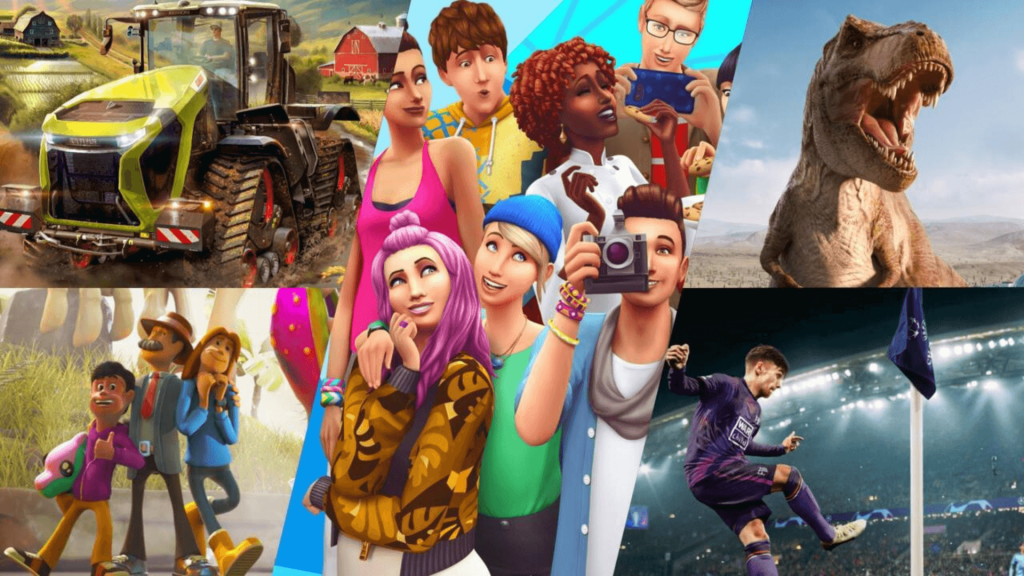
At the heart of simulation games lies a complex interplay of decision-making processes and strategic planning. Players are often presented with multifaceted situations that require them to weigh options, consider consequences, and adapt their strategies accordingly. For instance, in farming simulation games like “Farming Simulator,” players must balance crop production, financial management, and environmental factors. This experience is reflective of actual agricultural challenges faced by farmers in Nigeria, where climate change and resource allocation are ongoing issues.
Moreover, simulation games tend to promote critical thinking and analytical skills through various elements:
- Resource Management: Players are tasked with managing limited resources, be it time, money, or materials, emulating real-world scenarios where efficient allocation is crucial. Games like “Cities: Skylines” require players to prioritize infrastructure development while managing a budget—skills that are pivotal in Nigerian urban planning where resource scarcity is a pressing problem.
- Scenario Analysis: Many games present players with branching paths based on player decisions. For example, in “Farming Simulator,” a player’s choice to invest in a particular crop can lead to success or failure based on market conditions, weather events, or pest infestations. This encourages players to analyze potential outcomes critically before making choices.
- Adaptive Problem Solving: Simulation games often include unexpected challenges that mirror the unpredictability of real life. For instance, a sudden economic downturn in a simulation could compel players to rethink their strategies. Such dynamics cultivate adaptability, essential for resolving real-world problems that arise unexpectedly.
In the context of Nigeria, where many young people are seeking innovative solutions to traditional problems, simulation games can serve as valuable educational resources. As Nigeria continues to grapple with issues like agricultural sustainability, energy management, and rapid urbanization, the lessons learned through gaming can lead to innovative solutions that might not have been considered otherwise.
Furthermore, educational institutions in Nigeria can incorporate simulation games into their curricula, allowing students to engage with core subjects such as mathematics, science, and economics in a dynamic environment. This integration can enhance students’ learning experiences, making abstract concepts more tangible and relevant to real-world applications. By creating an engaging platform where students can experiment and learn from mistakes without real-life repercussions, simulation games can effectively prepare the next generation of problem solvers.
Ultimately, the utility of simulation games extends far beyond mere entertainment. They are powerful tools capable of modeling problem-solving skills that individuals can carry into their personal and professional lives. As one navigates the myriad challenges presented in these simulated environments, the skills cultivated are transferrable to real-world situations, empowering players to confront complex issues with confidence and creativity.
| Category | Details |
|---|---|
| Critical Thinking | Simulation games offer players scenarios that require strategic decision-making, enhancing critical thinking skills. Players analyze multiple factors and potential outcomes. |
| Teamwork Skills | Collaborative simulations foster effective communication and negotiation skills. Players work together to overcome challenges, reflecting real-life group problem solving. |
Simulation games are ingeniously designed to replicate complex environments where players must navigate challenges that mirror those encountered in daily life. The interactive nature of these games encourages participants to engage deeply with the material, developing their ability to assess risks and implement solutions in a controlled setting. For instance, players can encounter various scenarios that challenge their ethics and judgment, which is invaluable in cultivating moral reasoning. Additionally, the simulated crisis-based challenges often encountered in these games require players to adapt quickly, enhancing their flexibility and resilience—traits essential for success in both personal and professional arenas. The myriad of simulated situations not only entertains players but also equips them with transferable skills that can be utilized in real-world problem-solving situations, making simulation games a vital tool in modern education and training.
YOU MAY ALSO LIKE: Read read another article
Fostering Collaboration and Communication in Virtual Environments
Beyond individual skills, simulation games also foster crucial interpersonal abilities, such as collaboration and effective communication. In many scenarios, players are placed in teams where they must work together to achieve common objectives. This reflects the collaborative nature of real-life problem-solving, especially in complex environments like those found within Nigerian communities facing multifaceted challenges such as poverty alleviation and public health crises.
For instance, multiplayer strategy games like “Emergency Room: Emergency Room” or “Team Fortress” require players to communicate clearly and delegate tasks based on each member’s strengths. In these high-pressure situations, effective communication becomes vital as players navigate through simulated medical emergencies or combat scenarios. By replicating these high-stakes environments, simulation games teach players the importance of acute communication and teamwork—two skills essential for tackling community issues in Nigeria where collective efforts often yield better results than individual endeavors.
Moreover, the dynamic nature of these games encourages players to practice negotiation skills. Players may encounter situations that require compromise and consensus-building, learning to navigate competing interests while still achieving desired outcomes. This is particularly pertinent in Nigeria, where negotiations play a critical role in business, politics, and community engagement. The ability to understand different perspectives is crucial for fostering relationships that lead to collaborative solutions.
Engagement with Real-World Issues through Role-Play
Additionally, simulation games often incorporate role-playing elements that immerse players in societal roles, be it as policy makers, business leaders, or advocates for social change. Such immersive experiences not only make learning engaging but also deepen players’ understanding of real-world issues. For example, games like “SimCity” allow players to step into the shoes of city planners, managing urban resources while addressing traffic, housing, and environmental concerns. In Nigeria, as urban centers grow rapidly, understanding the intricacies of city management becomes imperative for future leaders.
These role-playing scenarios do more than just teach players about their specific roles; they also illuminate the interconnectedness of various societal functions. Players quickly realize that poor decisions in one area can lead to a domino effect of challenges. This understanding can reshape how Nigerian youth perceive their roles within society, empowering them to consider holistic approaches to problem-solving.
Feedback Mechanisms and Continuous Learning
Another noteworthy aspect of simulation games is the inherent feedback mechanisms that provide immediate insights into players’ choices. This iterative process encourages continuous learning and adaptation—a vital aspect of effective problem-solving in real life. In challenges where players witness the outcomes of their decisions almost instantaneously, they learn to evaluate strategies and adjust their approaches accordingly. Such a feedback loop is invaluable, particularly in Nigeria’s rapidly changing landscape where old solutions may yield diminishing returns.
For example, educational simulation platforms like “Kahoot!” allow students to engage with historical events or economic theories, providing real-time results to their answers. This immediate feedback promotes self-assessment, urging players to reflect on their knowledge gaps and enhancing their understanding. Such tools can empower Nigerian educators to harness technology in classrooms, transforming how students engage with complex subject matter and fostering a culture of critical thinking and adaptability.
In essence, simulation games serve as comprehensive training grounds, equipping players not only with individual problem-solving skills but also with the collaborative and communicative abilities that are essential for success in real-world contexts. As these players become more adept at navigating simulations, they prepare themselves to tackle the pressing challenges of their communities with innovative solutions and a strong sense of teamwork.
RECOMMENDED: Check out this similar article
Conclusion: The Transformative Power of Simulation Games
In conclusion, simulation games have emerged as powerful tools for modeling real-life problem-solving skills, providing players with unique opportunities to engage in complex scenarios that reflect the intricacies of contemporary challenges. Through fostering key skills such as collaboration, communication, and negotiation, these games bridge the gap between theory and practice, preparing individuals—especially the Nigerian youth—to tackle pressing societal issues with confidence and creativity.
As players navigate through multifaceted environments, they learn the importance of teamwork in achieving shared goals, much like the collaborative approaches required in addressing socioeconomic challenges in Nigeria. The role-playing aspects of simulation games enable a deeper understanding of systemic issues, empowering players to view problems holistically rather than in isolation. With immediate feedback mechanisms, players are encouraged to reflect on their decision-making processes and adapt their strategies, a crucial capability in today’s fast-paced world.
By harnessing the educational potential of simulation games, educators, policymakers, and community leaders can cultivate a culture of critical thinking and adaptability. This will not only enhance individual skills but also foster a generation of innovative problem-solvers equipped to address the evolving needs of their communities. As we continue to explore the intersection of gaming and education, it is essential to recognize that simulation games are not just a form of entertainment but rather a profound medium for learning and personal development.
In a world where complex challenges require thoughtful solutions, leveraging the insights gained through simulation games could very well be the key to unlocking the potential for positive change in Nigeria and beyond.