
Developing Logic Through Puzzles: An Interactive Approach for Children
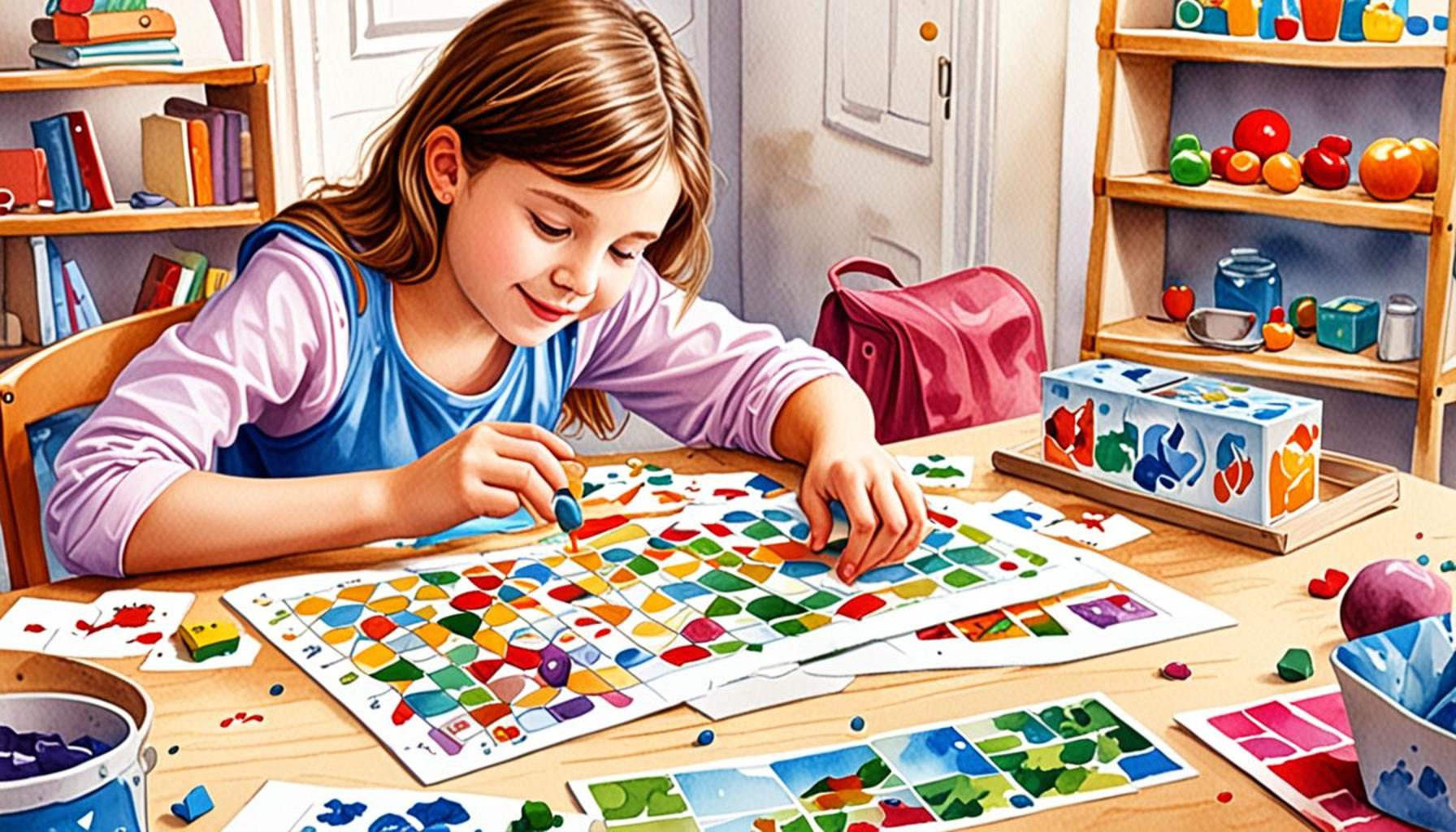
Unlocking Potential Through Play
A child’s ability to think logically is not just a skill; it is a crucial aspect of their development in our increasingly complex and fast-paced world. Engaging children in puzzles presents a powerful tool that not only stimulates creative thinking but also significantly enhances their problem-solving skills. The interactive nature of puzzles allows children to learn in a way that is not only enjoyable but also immensely effective.
Why Puzzles Matter
Incorporating puzzles into a child’s daily routine offers a wealth of benefits that extend far beyond simple entertainment. Here are some key reasons why puzzles are essential:
- Enhances Critical Thinking: Puzzles encourage children to analyze information critically and make informed decisions. For instance, when a child encounters a jigsaw puzzle, they must consider how pieces fit together, promoting spatial reasoning and logical thought processes.
- Boosts Memory: The act of solving puzzles requires children to recall shapes, patterns, and strategies, which sharpens their memory skills. Studies have shown that children who regularly engage with puzzles exhibit improved memory retention compared to their peers who do not.
- Fosters Patience: Children learn to approach problems methodically through puzzles, cultivating patience and resilience. Completing a challenging puzzle, for example, teaches them the value of persistence and the satisfaction that comes from overcoming difficulties.
Puzzles in the Nigerian Context
In Nigeria, traditional games such as ayo (a popular mancala game) alongside modern puzzle apps present a rich tapestry of options for children to develop their logical thinking. Ayo not only connects children with their cultural heritage, but it also teaches mathematical concepts and strategic thinking. Additionally, various puzzle apps leveraging local languages and themes can enhance interest and engagement, providing an avenue for children to sharpen their reasoning abilities in an enjoyable manner. For example, mobile games that incorporate Nigerian folklore can bring elements of storytelling into the puzzle-solving experience.
By exploring these interactive tools—both traditional and modern—Nigerian children can cultivate critical skills while enjoying the playful aspects of learning.
Encouraging Logical Thinking
Integrating puzzles into everyday learning fosters a love for critical thinking that will benefit children throughout their lives. The delightful combination of playfulness and education creates a unique opportunity for personal growth, enabling kids to navigate life’s challenges with greater confidence and competence. Whether it’s through assembling a complex jigsaw, solving a number puzzle, or strategizing in a game of ayo, every puzzle solved is a step toward unlocking their full potential. Investing time in cognitive development through puzzles is an investment in a child’s future—one puzzle at a time.
SEE ALSO: Click here to read another article
The Transformative Power of Puzzle Play
Puzzles are more than mere distractions; they are gateways to developing essential logical reasoning skills in children. This playful engagement can lead to significant cognitive advancements. Delving into the world of puzzles encourages children to not only think outside the box but also to approach problems with a structured mindset. Through this interactive approach, kids are given the vital opportunity to enhance their cognitive functioning and learn essential life skills.
Types of Puzzles that Foster Logic
When considering how to integrate puzzles into children’s lives, it’s essential to recognize the diverse array of options available that can stimulate logical thinking:
- Jigsaw Puzzles: These classic puzzles are excellent for enhancing spatial awareness and visual perception. As children struggle to find the right pieces, they engage in identifying patterns and understanding how different segments come together to form a whole.
- Math Puzzles: Engaging children with puzzles involving numbers and operations not only makes mathematics enjoyable but also develops their logical reasoning. Examples include Sudoku or logic grid puzzles, which stimulate critical thinking and pattern recognition.
- Strategy Games: Games that require strategic planning, such as chess or local board games like dambe, enhance logical reasoning and strategic thinking. These games compel children to think ahead and consider multiple outcomes based on their decisions.
- Riddles and Brain Teasers: These verbal puzzles challenge children’s comprehension and reasoning skills. They foster a playful approach to problem-solving while encouraging children to think laterally and creatively.
By introducing these diverse forms of puzzles, parents and educators can cater to different interests and strengths. This multifaceted approach helps ensure that children remain engaged while developing logic and reasoning skills in varying contexts.
The Role of Social Interaction in Puzzle Solving
One of the most remarkable aspects of puzzles is their ability to foster social interaction among children. Solving puzzles together encourages teamwork and collaboration, as they communicate ideas and strategize solutions. In group settings, children can share their unique perspectives, enriching the problem-solving process and reinforcing critical social skills. For example, working through a group jigsaw puzzle can teach patience and compromise, as each child may have different methods of approaching the task. This collaborative spirit not only enhances their logical abilities but also builds a sense of community and friendship.
The interplay between logic development and socialization highlights the importance of incorporating puzzles in various settings, from classrooms to family gatherings. The objective is clear: encourage logical thinking while allowing enjoyment in the journey of discovery. As children explore these engaging challenges, they are not just learning to solve problems; they are also building relationships and social skills that will benefit them throughout their lives.
| Advantages of Interactive Puzzles | Key Aspects |
|---|---|
| Cognitive Development | Puzzles enhance critical thinking and problem-solving skills. |
| Enhanced Engagement | Interactive formats keep children motivated and eager to learn. |
| Social Skills Development | Collaborative puzzles foster teamwork and communication among peers. |
| Creativity Boost | Puzzles encourage children to think outside the box and explore various solutions. |
Engaging with puzzles not only cultivates strong logical reasoning but also sparks a child’s imagination and curiosity. The blend of fun and challenge makes the learning experience memorable, driving children to explore their thought processes further. Such activities can serve as valuable tools for educators and parents aiming to foster a love for learning.Moreover, research indicates that children who regularly engage in logic-based activities like puzzles show improved academic performance across subjects, as these activities train the mind to recognize patterns and connections. With the right resources, children can transition seamlessly from traditional learning to interactive experiences that provide rich educational value and lasting skills.The advantages of implementing an interactive approach to puzzles not only create a foundation for logical thinking among children but also present an opportunity to enhance their learning journey significantly. As they navigate various challenges, they develop resilience, adaptability, and a strong sense of accomplishment, preparing them for future academic and life challenges with greater confidence.
RECOMMENDED: Check out this similar article
Engaging the Mind: Introducing Technology and Real-World Applications
In today’s digital era, technology offers a myriad of interactive puzzle solutions that can enrich children’s learning experiences. With the proliferation of educational apps and online platforms, children can delve into engaging puzzle environments that suit various ages and skill levels. These technological tools provide a dynamic backdrop for logical thinking, enabling children to explore puzzles beyond the traditional printed formats. For example, applications like Prodigy Math or Toy Theater introduce math-related puzzles that push children to think critically and strategically in a virtual landscape while allowing for personalized learning.
Combining Traditional and Contemporary Puzzles
While digital puzzles provide fresh and exciting opportunities for growth, it is important not to overlook the value of traditional puzzles. Combining both traditional jigsaw puzzles and newer digital formats can create a well-rounded learning experience. By integrating different puzzle types, children can develop logical thinking skills in various settings. For instance, parents can set aside time to work on physical jigsaw puzzles together, cultivating family bonding while honing their child’s spatial reasoning abilities. In contrast, engaging with educational apps can complement this experience by offering a variety of math and logic games that adapt to the child’s pace and skill level.
- Interactive E-books: Many interactive e-books now offer puzzle elements that require children to solve challenges in order to advance the story. This not only captivates young readers but also fosters logical reasoning as they read, problem-solve, and think critically.
- STEM-Based Puzzles: Incorporating science, technology, engineering, and math (STEM) concepts into puzzles allows children to explore real-world scenarios. For instance, building kits like LEGO Mindstorms encourage children to solve engineering problems through hands-on engagement, reinforcing logic as they navigate design challenges.
By incorporating technology and real-world applications, parents and educators can provide a broader landscape for children to develop their logic skills. This mix of approaches stimulates children’s creativity while strengthening their problem-solving capabilities.
The Essential Role of Encouragement and Rewards
Another vital aspect of puzzle-solving for children is the role of encouragement and proper recognition. When children successfully complete a puzzle, celebrating their achievements can significantly enhance their motivation. This sense of accomplishment not only builds confidence but also reinforces the logical skills they have acquired through practice. In Nigerian culture, where community and family values are significant, involving family members in congratulating a child’s efforts can transform puzzle-solving into a collaborative celebration that deeply resonates with them.
Offering small rewards, such as stickers, certificates, or even a fun day out, can further incentivize children to engage in puzzle activities. These rewards create positive associations with problem-solving, encouraging children to tackle increasingly complex puzzles in the future. As they learn to overcome challenges and solve puzzles, children are developing a growth mindset, which can serve them well in academic pursuits and personal challenges.
To maximize the logical development through puzzles, it becomes essential to create diverse puzzle-centric environments, both digitally and physically, while nurturing their enthusiasm through recognition and encouragement. By doing so, families and educators alike can play a pivotal role in shaping the logical thinkers of tomorrow.
RECOMMENDED: Check out this similar article
Conclusion: Nurturing Future Thinkers Through Puzzles
In summary, puzzles serve as an invaluable tool for developing logic in children, blending education with play in an engaging manner. The integration of traditional and contemporary puzzle formats not only caters to diverse learning styles but also enriches a child’s cognitive abilities. By utilizing technology, such as educational apps and interactive e-books, we can create captivating environments that stimulate logical thought while allowing children to learn at their own pace. The fusion of digital play with hands-on experiences, like jigsaw puzzles and STEM-based kits, broadens the scope of learning and enhances problem-solving skills.
Moreover, the role of family and community in recognizing children’s achievements cannot be overstated. Celebrating milestones fosters a love for problem-solving and imbues children with a sense of accomplishment that propels their growth. Simple yet effective rewards reinforce these positive experiences, cultivating a growth mindset essential for tackling academic challenges and real-life situations. In Nigeria, with its strong emphasis on community learning and support, encouraging collaborative puzzle-solving can deepen these values while simultaneously nurturing critical thinking.
As we tailor our approaches to include both physical and digital puzzles, we pave the way for children to emerge as logical thinkers prepared to navigate the complexities of the modern world. Together, families, educators, and communities can harness the power of puzzles to inspire the logical minds of tomorrow, fostering a generation equipped with the skills to solve problems creatively and effectively.