Developing Critical Thinking Skills Through Mental Challenges
Understanding Critical Thinking in a Modern Context
As society becomes increasingly complex, the demand for individuals who can navigate intricate problems and make sound decisions intensifies. In this landscape, critical thinking emerges as an essential capability that transcends traditional education. It enables individuals to assess situations rigorously and advocate for solutions grounded in evidence. Engaging in mental challenges can serve as a reliable method to cultivate these abilities, making them invaluable in both personal and professional contexts.
Enhanced Problem-Solving
Participating in challenging brain exercises hones one’s problem-solving skills, which are crucial in various scenarios—from academic endeavors to workplace dilemmas. For instance, games like chess not only encourage strategic thinking but also teach players how to anticipate an opponent’s moves, thus enhancing foresight and adaptability. In Nigeria, where the arts of commerce and entrepreneurship are vibrant, entrepreneurs can benefit immensely from these skills, using critical thinking to craft innovative business strategies or to pivot in response to the marketplace.
Improved Decision-Making
Regular mental workouts contribute to better decision-making abilities. Research shows that individuals who routinely engage in puzzles or analytical tasks can evaluate different perspectives and weigh options more carefully. This is particularly important in Nigeria, where varying cultural, economic, and political factors can complicate choices in daily life, from purchasing decisions to casting a vote during elections. Engaging in systematic thinking through mental challenges can empower individuals to make choices that are not only beneficial for themselves but also for their communities.
Strengthened Analytical Skills
Another significant benefit of mental challenges is the enhancement of analytical skills. By dissecting information and evaluating its significance, individuals become adept at determining what is credible or relevant. This is especially vital in today’s age of misinformation, where only those equipped with strong critical thinking abilities can discern fact from fiction. For example, during the yearly Naija Tech Expo, participants often encounter various technologies and innovations. By applying analytical skills fostered through mental challenges, they can assess the viability of new technologies, thus contributing to Nigeria’s growing technology sector.
Community Engagement Through Mental Challenges
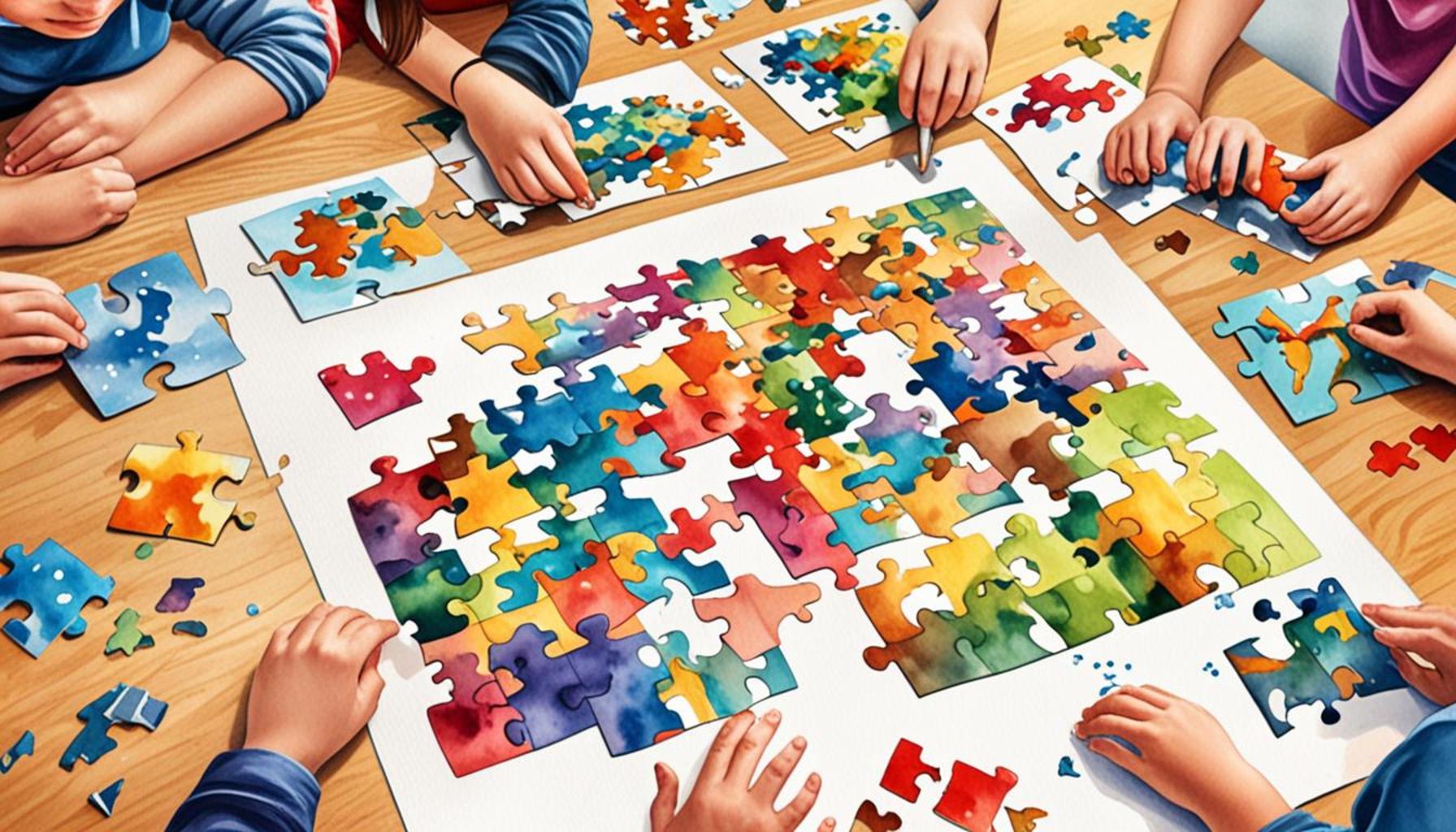
Mental challenges not only bolster personal skills but also foster community engagement. Activities such as quiz competitions or debate clubs serve as forums for collaboration, allowing people from various backgrounds to exchange ideas and discuss pressing issues. In a diverse country like Nigeria, such platforms become critical in promoting dialogue and understanding among different cultural and ethnic groups. By working together to solve puzzles or engage in mental competitions, communities can strengthen their bonds and cultivate a shared vision for progress.
The Path Forward
As we continue to explore methods for enhancing critical thinking skills through mental challenges, it is evident that such practices have far-reaching implications. The blend of cognitive development and community involvement creates a ripple effect that transcends individual growth. By committing to these mental exercises, we not only advance our personal capabilities but also contribute to the collective progress of Nigeria. As more individuals embrace critical thinking, the country’s potential for innovation, collaboration, and informed decision-making will undoubtedly expand, paving the way for a brighter future.
ADDITIONAL INSIGHTS: Expand your understanding here
Unleashing Creativity and Innovation
Engaging with mental challenges doesn’t just sharpen critical thinking skills; it also ignites creativity and fosters innovation. In a world that increasingly values original thought, the ability to think outside the box is essential. Activities such as brain teasers, logic puzzles, and strategic games encourage individuals to explore unconventional pathways to solutions, nurturing a mindset that thrives on innovation. For instance, many young Nigerians involved in startups are finding that the ability to devise unique solutions to common problems—such as improving access to education or healthcare—is often rooted in their ability to critically analyze and creatively approach challenges.
Cognitive Flexibility and Adaptability
One of the core aspects of critical thinking is cognitive flexibility—the ability to switch between thinking about different concepts. This skill is particularly important in today’s fast-changing environment. As individuals engage in various mental challenges, they are required to reshape their thought processes and adapt to new rules or circumstances. Whether it’s adapting rules in a game of Ludo or changing tactics in a complex strategy game, such experiences enhance one’s ability to navigate unexpected changes in life.
Fostering Collaboration and Teamwork
Mental challenges, especially when approached in groups, foster collaboration and teamwork. From quiz competitions to escape rooms, these activities encourage participants to work towards a common objective while leveraging each member’s strengths. This collaborative aspect not only enhances critical thinking but also cultivates social skills that are indispensable in both personal and professional realms. In Nigeria, where teamwork is essential in sectors such as agriculture, entrepreneurship, and technology, developing these collaboration skills can lead to more cohesive organizations and thriving communities.
Benefits of Engaging in Mental Challenges
Engaging in mental challenges can yield numerous benefits. Here are some key advantages:
- Enhanced cognitive abilities: Regular engagement improves memory, reasoning, and attention span.
- Boosted confidence: Successfully overcoming challenges can instill a sense of achievement and self-efficacy.
- Increased resilience: Navigating difficulties teaches individuals how to cope with setbacks and persist in finding solutions.
- Heightened awareness of biases: Critical challenges help individuals recognize their cognitive biases, promoting fairer decision-making.
As more individuals in Nigeria and beyond embrace these mental exercises, they are not just developing skills for personal growth, but also laying the groundwork for a more innovative and adaptive society. The capacity to think critically allows communities to address issues pragmatically and to leverage creativity in problem-solving, which is vital in an ever-evolving global landscape.
| Category | Advantages |
|---|---|
| Enhanced Problem-Solving Skills | Mental challenges compel individuals to analyze situations critically, leading to improved problem-solving capabilities. This is particularly vital in today’s fast-paced world where challenges arise unexpectedly. |
| Boosted Creativity | Engaging in varied mental challenges promotes creative thinking as individuals explore different solutions and perspectives. Creativity is not only essential for personal growth but also for professional success. |
| Improved Decision-Making Skills | Regularly confronting complex mental tasks enhances one’s ability to make informed decisions. The stress-testing of ideas cultivates confidence in decision-making processes. |
| Stronger Focus and Concentration | Mental challenges require sustained attention, which translates to better focus in various aspects of life. This increased concentration is advantageous in academic and professional settings. |
Engaging in mental challenges encourages a multifaceted approach to learning. Critical thinking is not always instinctive; it often requires systematic practice and exposure to complex ideas. For instance, puzzles and brain games are not merely entertainment; they serve as effective tools to enhance cognitive abilities. Exploring these challenges not only sharpens analytical skills but also prepares individuals to tackle real-world problems with greater confidence and creativity. By fostering a culture of problem solvers, society becomes more adept at addressing pressing issues through innovative thinking.
SEE ALSO: Click here to read another article
Building Problem-Solving Skills Through Real-Life Scenarios
Critical thinking is not just an academic pursuit; it’s a life skill essential for navigating everyday challenges. Engaging in mental challenges can directly translate into improved problem-solving capabilities when individuals face real-life scenarios. For example, consider the entrepreneurial landscape in Nigeria, where aspiring business owners must confront a myriad of obstacles, from supply chain disruptions to regulatory requirements. By practicing mental challenges such as simulation exercises or strategy games, individuals can hone their ability to assess situations quickly and devise logical solutions in fast-paced environments.
Encouraging Analytical Thinking
Another vital component of critical thinking is the capacity for analytical reasoning. Mental challenges often demand individuals to dissect complex problems, identify underlying elements, and evaluate possible solutions critically. Activities like participating in debate clubs or engaging in analytical group discussions equip individuals with the skill to not only formulate arguments but also to scrutinize the validity of their assertions. In Nigeria’s vibrant discourse around societal issues—whether addressing economic disparities or public health strategies—these analytical skills can empower citizens to engage constructively, making them more effective advocates for change.
Enhancing Emotional Intelligence
The intersection of mental challenges and emotional intelligence is another key area of development. Activities that require strategic thinking and teamwork can help individuals improve their interpersonal skills and foster empathy. For instance, when faced with challenging scenarios in cooperative games, participants learn to read the emotions and motivations of others, nurturing a deeper understanding of group dynamics. This emotional intelligence is critical in Nigeria’s multi-ethnic and diverse environment, where an increased awareness of different perspectives often leads to improved collaboration and conflict resolution among community members.
The Role of Technology in Mental Challenges
In the age of technology, digital platforms increasingly provide new avenues for engaging in mental challenges. Online puzzles, interactive games, and virtual escape rooms are becoming popular among Nigeria’s youth, offering opportunities to enhance critical thinking skills in an accessible format. According to a report by the Nigerian Economic Summit Group, digital literacy is closely tied to problem-solving competencies, making it paramount for young Nigerians to leverage technology for educational and personal growth. Additionally, mobile applications focused on logic and analytical games are proliferating, contributing to a culture that prioritizes cognitive development.
Making Mental Challenges a Daily Habit
To harness the full potential of mental challenges, it is important for individuals to incorporate them into their daily routines. Simple activities such as solving crossword puzzles, engaging in Sudoku, or participating in trivia nights can be seamlessly integrated into one’s life. Moreover, community initiatives focused on mental challenge events, like local chess tournaments or hackathons, can foster engagement while simultaneously enhancing critical thinking. By normalizing these activities, individuals can not only improve their cognitive skills but also inspire others to pursue similar paths, fostering a more intellectually engaged community.
CHECK OUT: Click here to explore more
Conclusion
In summary, the journey of developing critical thinking skills through mental challenges is an enriching experience that transcends the boundaries of traditional learning. Engaging in various mental exercises not only sharpens our problem-solving abilities but also enhances our analytical thinking and emotional intelligence. For individuals in Nigeria, integrating mental challenges into daily life can offer transformative benefits, from improved workplace performance to more meaningful community engagement. The digital age provides plentiful resources, such as apps and online platforms, enabling accessibility to critical thinking tools that were once limited to formal education.
Furthermore, fostering a culture that prioritizes mental challenges can cultivate a more dynamic, innovative society. As young Nigerians embrace activities like chess tournaments and strategic games, they are better equipped to tackle the complexities of contemporary issues—be it in business, social justice, or governance. Therefore, it is essential for educators, community leaders, and families to promote and support practices that encourage critical thinking development, ensuring it remains a habitual part of daily life.
Ultimately, by embracing mental challenges, we not only build our own cognitive prowess but also pave the way for a more enlightened and proactive future for Nigeria. In a world filled with rapid changes and uncertainty, the ability to think critically will undoubtedly serve as a cornerstone for personal growth and collective advancement.