Menu

Developing Logic Through Puzzles: An Interactive Approach for Children

Engaging children in puzzles enhances their logical thinking, creativity, and problem-solving skills. By incorporating both traditional and digital formats, children can develop critical skills in an enjoyable way. This interactive approach fosters collaboration, boosts memory, and nurtures resilience, preparing them for future academic and personal challenges.

How Logic Puzzles Can Foster Emotional Resilience in Young People

Engaging in logic puzzles helps young people build emotional resilience by enhancing critical thinking, problem-solving, and stress management skills. These activities promote teamwork, boost confidence, and teach perseverance, equipping youth to navigate challenges effectively. Integrating logic puzzles into daily life fosters their emotional and cognitive development, preparing them for future success.

How Logic Puzzles Can Help in Preparation for Academic Exams

Logic puzzles are invaluable tools for students preparing for academic exams, such as WAEC and JAMB. They enhance critical thinking, problem-solving, and analytical skills while reducing stress and boosting confidence. By integrating puzzles into study routines, students can transform their learning experience and improve overall academic performance.

Unveiling the Cognitive Benefits of Puzzles in Logic and Reasoning

Puzzles are powerful tools that enhance cognitive skills, fostering problem-solving, memory retention, and focus. Engaging with various types, from word puzzles to logic games, promotes logical thinking and reasoning. Incorporating puzzles in learning environments can significantly boost critical thinking, creativity, and social interaction in communities.

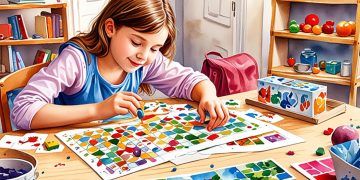
The Role of Logic Games in Improving Concentration and Memory in the Elderly

Logic games are essential for enhancing concentration and memory in the elderly. They promote cognitive engagement, critical thinking, and social interaction, significantly combating loneliness. By integrating these games into daily routines, seniors can enjoy mental stimulation and emotional well-being, fostering an enriched quality of life as they age.

Development of Social Skills Through Group Logic Games

Engaging in group logic games fosters essential social skills such as communication, teamwork, conflict resolution, and emotional intelligence. In Nigeria's diverse context, these games enhance cooperation and inclusivity, providing a platform for individuals to develop critical thinking and problem-solving abilities while bridging cultural divides and promoting community harmony.

The Influence of Logic Games on Decision Making in Work Environments

Logic games significantly enhance decision-making in work environments by improving critical thinking, problem-solving, and teamwork. These engaging activities empower employees to analyze situations effectively, manage risks, and foster innovative solutions, making them essential tools for organizations striving for success in today's dynamic business landscape.

The importance of logic games in the cognitive development of children in Nigeria

Logic games play a vital role in the cognitive development of children in Nigeria. By enhancing critical thinking, problem-solving, and social skills, these games foster creativity and emotional resilience. Integrating logic games into daily life supports educational growth, equipping children with essential skills for future success amidst diverse learning environments.

Boost Problem-Solving Skills in Adulthood Puzzles Mental Challenges

Mind games and puzzles enhance cognitive abilities by stimulating critical thinking and strategic planning. Engaging with these challenges sharpens mental acuity, bolsters problem-solving skills, and improves memory retention, making them a valuable tool for maintaining brain health and agility in adulthood.

Why Logical Development in Kids Brain Games is Crucial for Growth

Mind games and puzzles play a crucial role in children's cognitive development by enhancing problem-solving skills, boosting memory, and fostering creativity. These activities promote critical thinking and concentration, preparing children to tackle real-world challenges with confidence and adaptability. Engaging in such games encourages lifelong learning enthusiasm.