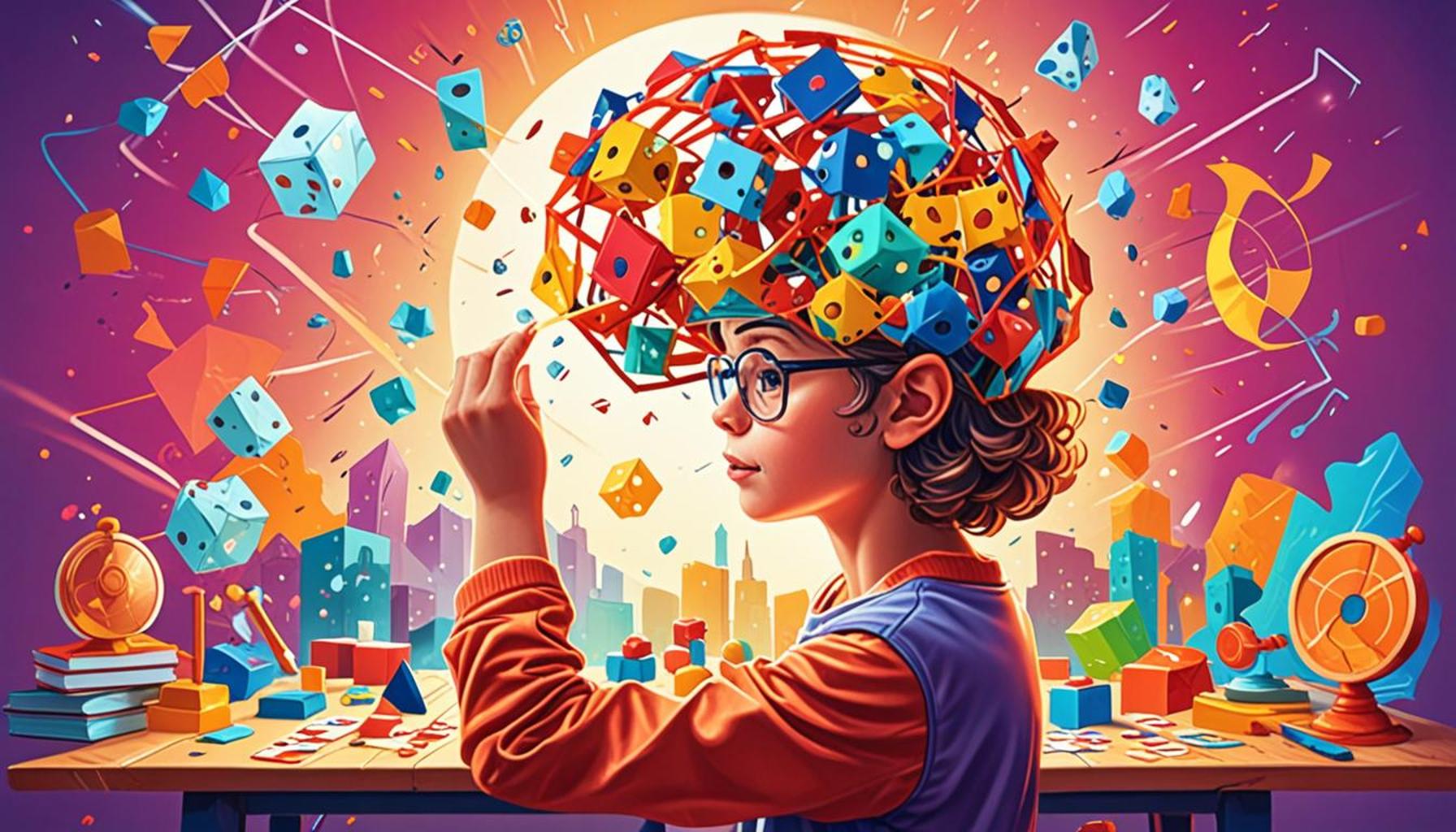
Board Games: Fostering Critical Thinking and Conflict Resolution
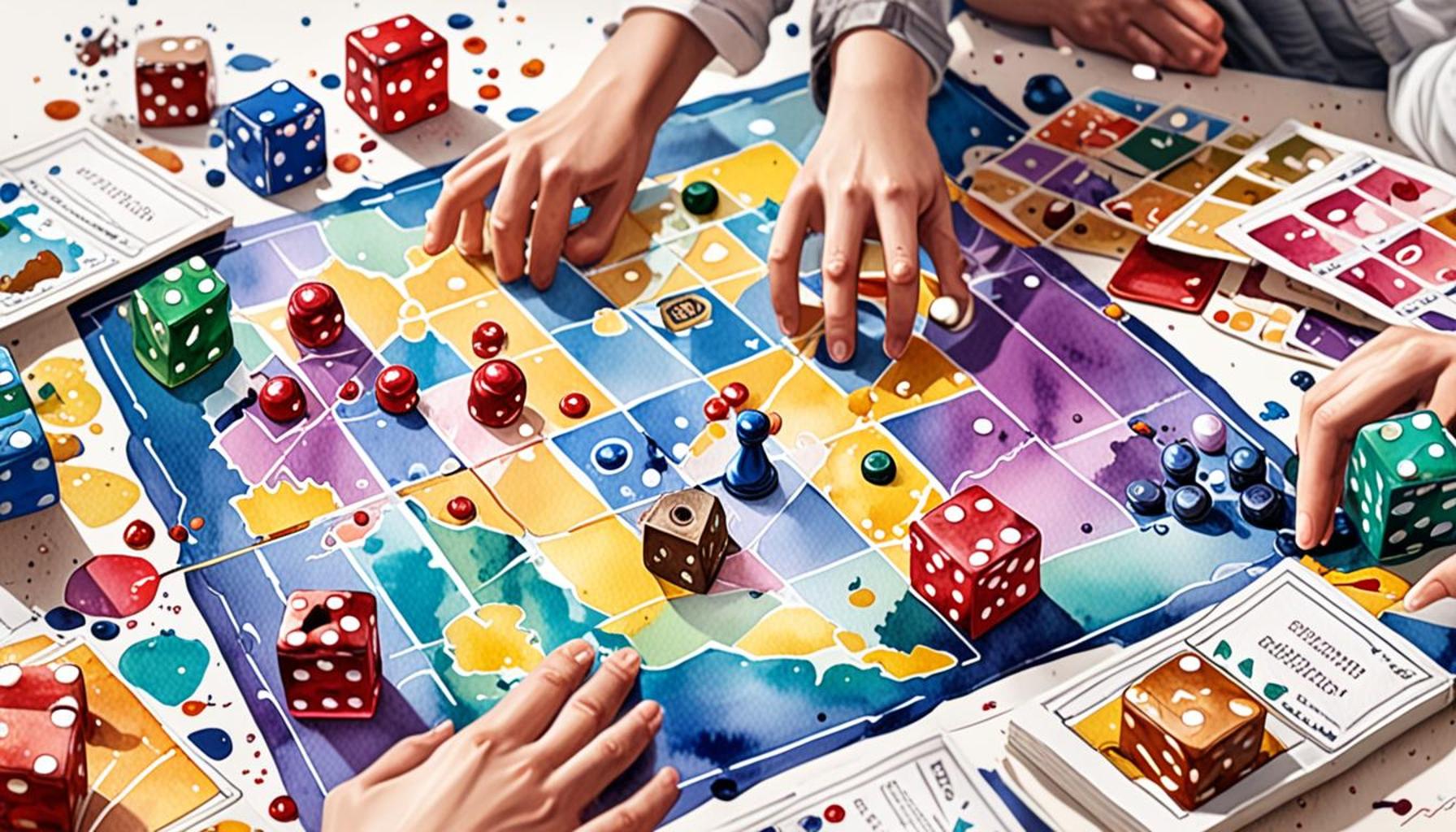
The Role of Board Games in Skill Development
In an age dominated by digital interactions and online gaming, board games stand out as a timeless mode of engagement that fosters face-to-face connections. These tangible experiences offer more than just entertainment; they serve as powerful tools for cultivating essential life skills that are crucial in our increasingly complex society.
When engaging in board games, players discover opportunities to:
- Enhance critical thinking: Many board games, such as chess or Settlers of Catan, require players to strategize extensively, weighing their options while anticipating the moves of their opponents. This kind of analytical thinking sharpens the mind, allowing players to better navigate challenges both in gaming and in real life.
- Develop conflict resolution: Board games often present scenarios where disagreements arise. For example, during a game of Monopoly, players may negotiate trades or settle disputes regarding rules. The need for compromise and effective communication helps sharpen conflict resolution skills, preparing players to tackle real-world disagreements more adeptly.
- Encourage teamwork: Cooperative games like Pandemic require players to work together to tackle common goals, fostering a sense of collaboration. This teamwork experience is beneficial not only in leisure but also in various professional environments where collaborative skills are essential.
In Nigeria, traditional games such as Ludu—which many recognize as the local version of Ludo—and various forms of Dice have long been embedded in social culture, bringing families and communities together. These games create a platform for interaction and relationship-building, essential in fostering strong community bonds. Modern board games introduce this same spirit of engagement but with a twist, offering diverse themes that often explore intricate ideas and narratives.
Board games provide an enriching experience; for instance, the game Ticket to Ride not only entertains but also encourages players to think strategically about route connections while learning a bit about geography. Whether you are a novice or an experienced strategist, the journey through these games often enhances your ability to solve problems, engage in negotiations, and collaborate effectively, thereby improving personal and professional relationships alike.
As we dive deeper into the significance of board games, we will explore their impact on fostering critical thinking as well as their role in conflict resolution skills within Nigerian communities. Through this journey, we emphasize the importance of harnessing such traditional and modern games to unlock invaluable skills and enhance everyday interactions.
SEE ALSO: Click here to read another article
Board Games as Tools for Critical Thinking
Board games are invaluable instruments for enhancing critical thinking skills, challenging players to engage in thoughtful analysis and deep strategy. In a society that increasingly values quick decision-making, the drawn-out nature of board games allows for reflection and careful consideration of each move. For example, games like Chess require players to think several steps ahead, contemplating not only their strategy but also anticipating their opponent’s moves. This level of foresight cultivates a mindset geared towards problem-solving, allowing participants to approach real-life challenges with a willingness to think critically and strategically.
Additionally, many modern board games incorporate intricate storylines and thematic elements that require players to interpret contexts, assess risks, and make informed decisions. Games such as Terraforming Mars demand players to apply knowledge and devise plans while adapting to a constantly changing landscape. These scenarios compel players to utilize analytical skills and enhance their cognitive flexibility, making board gaming an engaging and dynamic method of supporting critical thinking.
The Essence of Conflict Resolution in Board Games
Conflict is an inevitable part of human interaction, and board games serve as microcosms for learning effective conflict resolution strategies. Whether negotiating trades in Settlers of Catan or resolving disputes around the game board in Monopoly, players are constantly faced with situations that call for diplomacy and compromise. Emphasizing the importance of communication, these games encourage players to articulate their needs while also considering the perspectives of others.
- Negotiation Skills: Many board games involve trading and bargaining, which helps participants learn how to negotiate effectively. This practice is crucial in everyday interactions where negotiation can lead to beneficial outcomes for all parties involved.
- Emotional Intelligence: Observing how others react to different game scenarios builds emotional awareness. Players learn to read non-verbal cues and adapt their approach based on the emotional dynamics at play.
- Problem-Solving: Games often present conflicts that require quick thinking and innovative solutions, helping players to hone their problem-solving skills in a fun and low-stakes environment.
Furthermore, traditional Nigerian board games such as Ludu and Draft have played a significant role in community building and social cohesion. They provide a familiar setting where players navigate potential conflicts, learn to express frustrations respectfully, and resolve issues amicably. The cultural resonance of these games enhances their effectiveness in promoting conflict resolution within the family and community settings.
Through the lens of both traditional and modern board games, players gain essential skills that translate into improved conflict management and critical analysis in their daily lives. As we continue to highlight the benefits of these games, we focus on how they empower individuals and strengthen communal bonds, ultimately leading to more harmonious interactions in society.
Board Games: Fostering Critical Thinking and Conflict Resolution
Board games are often dismissed as simple entertainment, but they are powerful tools for developing critical thinking skills and promoting effective conflict resolution. Engaging in strategic gameplay forces players to analyze situations, anticipate opponents’ moves, and devise plans, all of which cultivate analytical skills and encourage logical reasoning. As players navigate challenges and obstacles during the game, they learn to think critically about their decisions and consider various outcomes.
Moreover, board games naturally create platforms for social interaction. Players must communicate effectively, negotiate with one another, and often compromise to achieve a common goal. This dynamic environment not only hones communication skills but also fosters empathy and understanding. By dealing with conflicts that arise in gameplay, participants are equipped with the tools to handle real-life disagreements constructively.
| Category 1 | Category 2 |
|---|---|
| Critical Thinking | Players engage in problem-solving scenarios that require analysis and foresight. |
| Conflict Resolution | Players must negotiate and compromise, enhancing their ability to resolve disputes. |
The benefits of playing board games extend beyond mere leisure; they serve as an engaging medium for educational development. As individuals partake in these games, they not only enjoy the competition but also enhance their ability to think critically and resolve conflicts amicably, laying the groundwork for better interactions in various aspects of life.
ADDITIONAL INSIGHTS: Expand your understanding here
The Psychological Benefits of Board Games
Board games do not merely foster critical thinking and conflict resolution skills; they also offer a plethora of psychological benefits that enhance overall mental well-being. In a fast-paced world often dominated by digital interactions, the tactile and engaging nature of board games presents a unique opportunity for players to disconnect from screens and immerse themselves in face-to-face interactions. This shift helps improve social bonds and encourages deeper conversations, ultimately strengthening relationships among participants.
Moreover, research suggests that playing board games can significantly reduce stress levels. Engaging in play encourages laughter and light-hearted competition, which releases endorphins and fosters a sense of community. Games such as Scrabble and Carcassonne not only stimulate intellectual engagement but also provide a stress-relief outlet, making players more resilient in facing daily challenges. The focus required in these games diverts minds from everyday worries, allowing for a refreshing mental break.
Educational Benefits of Board Games
Beyond fostering personal development, board games hold substantial educational value. They are increasingly being utilized in schools and educational settings to teach various subjects, including math, geography, and history. For instance, games like Ticket to Ride present an engaging way to learn about geography and strategic planning, teaching players about distances and travel routes while stimulating critical thinking.
In Nigerian classrooms, educators are beginning to incorporate traditional board games such as Ajulek to not only teach strategic thinking but also to connect with cultural heritage. This playful engagement helps students learn historical narratives and cultural contexts, making education more relatable and impactful. The incorporation of board games into curriculum fosters a stimulating environment, encouraging participation, teamwork, and healthy competition, which can significantly enhance learning outcomes.
Networking and Building Community
Board games also serve as a catalyst for networking and community building. In Nigeria, game nights are becoming increasingly popular, uniting individuals from diverse backgrounds. These social gatherings not only help to break the ice in unfamiliar settings but also foster an environment conducive to cooperation and teamwork. Games like Taboo require players to rely on their teammates’ inputs, promoting communication and collaboration.
- Inclusivity: Many board games cater to varied interests and skill levels, ensuring everyone feels welcome to participate. This inclusivity helps build stronger communal ties and promotes a sense of belonging.
- Trust Building: Cooperative games, where players must work towards a shared goal, help in developing trust among participants. Trust is a crucial aspect of effective conflict resolution and contributes positively to relationships.
- Cultural Exchange: Board games create a platform for cultural exchange, as players share their strategies, experiences, and backgrounds. This interaction can broaden horizons and foster mutual respect.
As the popularity of board games continues to grow, they present endless opportunities not only for enhancing critical thinking and conflict resolution but also for cultivating social networks, educational advantages, and enhanced well-being. By tapping into the rich tradition of board games, communities can pave the way for a more connected and empathetic society.
ADDITIONAL INSIGHTS: Expand your understanding here
Conclusion
In conclusion, board games stand out as a powerful tool for developing critical thinking and conflict resolution skills while offering a multitude of psychological and educational benefits. As they provide an engaging platform for social interaction, these games foster community bonds uniquely enhanced by personal engagement and cultural exchange. Their ability to reduce stress and create a fun, competitive atmosphere facilitates a shift from the digital realm to rich, face-to-face connections, ultimately contributing to mental well-being.
Furthermore, the educational potential within board games cannot be understated. With examples such as Ticket to Ride and traditional games like Ajulek, students gain invaluable insights into strategic thinking, history, and geographical knowledge while immersing themselves in their cultural heritage. Involving board games in educational curricula can lead to extraordinary outcomes, enhancing participation, collaboration, and a love for learning.
As Nigeria’s growing inclination towards game nights highlights, the practice of playing board games is not merely about competition but about breaking down barriers, fostering inclusivity, and building trust among diverse individuals. The social dimensions of board games create networks that strengthen community ties and nurture empathy among players.
As we explore the evolving landscape of leisure activities, it becomes clear that board games are more than just entertainment. They are essential in crafting a society where critical thinking and conflict resolution become integral parts of everyday interactions. To fully appreciate the rich tradition of board games, individuals and communities should actively promote their use, paving the way for a more interconnected and thoughtful future.