How Trivia Games Can Enhance Critical Thinking Skills

Unlocking the Power of Trivia Games
In today’s fast-paced world, enhancing critical thinking skills is more essential than ever. Trivia games have emerged as a surprising yet effective tool in fostering these skills. These games not only entertain but also challenge the mind in various ways.
Benefits of Playing Trivia
- Knowledge Expansion: Trivia games expose players to a wide array of topics, from science and sports to popular culture and history, thereby broadening their understanding of the world. For instance, a player might learn about the traditional festivals celebrated across Nigeria, such as the Osun-Osogbo festival, while also discovering interesting facts about global events.
- Quick Recall: Frequent play encourages faster information retrieval, a crucial skill for effective problem-solving. Just imagine being in a tight quiz competition and needing to remember key facts about Nigerian leaders like Nnamdi Azikiwe or historical milestones such as Nigeria’s independence in 1960. Such rapid recall can translate into improved performance in academic and professional settings.
- Analytical Skills: Players must evaluate clues and information to arrive at the correct answers. Engaging strategically with trivia prompts players to interpret questions critically. For example, a question like “Which river is known as the longest in Nigeria?” not only tests knowledge about geography but also encourages analytical thinking as players weigh their options before answering.
In Nigeria, where cultural diversity adds layers to knowledge, trivia games can incorporate local themes, making them even more relatable and informative. By integrating questions about Nigerian history, geography, and arts, such as famous figures like Wole Soyinka or significant landmarks like the Aso Rock, players can deepen their attachment to their heritage while stimulating their minds. This localized approach helps to preserve cultural knowledge and ignite interest in national identity.
Furthermore, the competitive nature of trivia fosters an environment where players are motivated to think outside the box and develop innovative solutions. What starts as a light-hearted game can evolve into intense discussions about strategies and reasoning for various answers, enhancing cognitive flexibility—a vital skill in adapting to new challenges.
Explore how these engaging activities can be harnessed to sharpen your thinking abilities and prepare you for real-life challenges. The next trivia night you attend could be viewed not just as an opportunity for fun but also as a valuable exercise for developing critical thinking skills that can aid you in various aspects of life. So, gather your friends, tap into your cultural roots, and dive into the world of trivia; you might uncover surprising layers of knowledge that could serve you well in your academic and professional pursuits.
SEE ALSO: Click here to read another article
The Cognitive Benefits of Trivia Games
Engaging in trivia games is not merely about answering questions correctly; it emphasizes strategic thinking, creative problem-solving, and enhanced cognitive flexibility. Each round presents players with an opportunity to engage their minds actively, encouraging them to sift through data, analyze various perspectives, and derive conclusions. This ongoing mental exercise is instrumental in nurturing critical thinking skills.
Engagement and Interaction
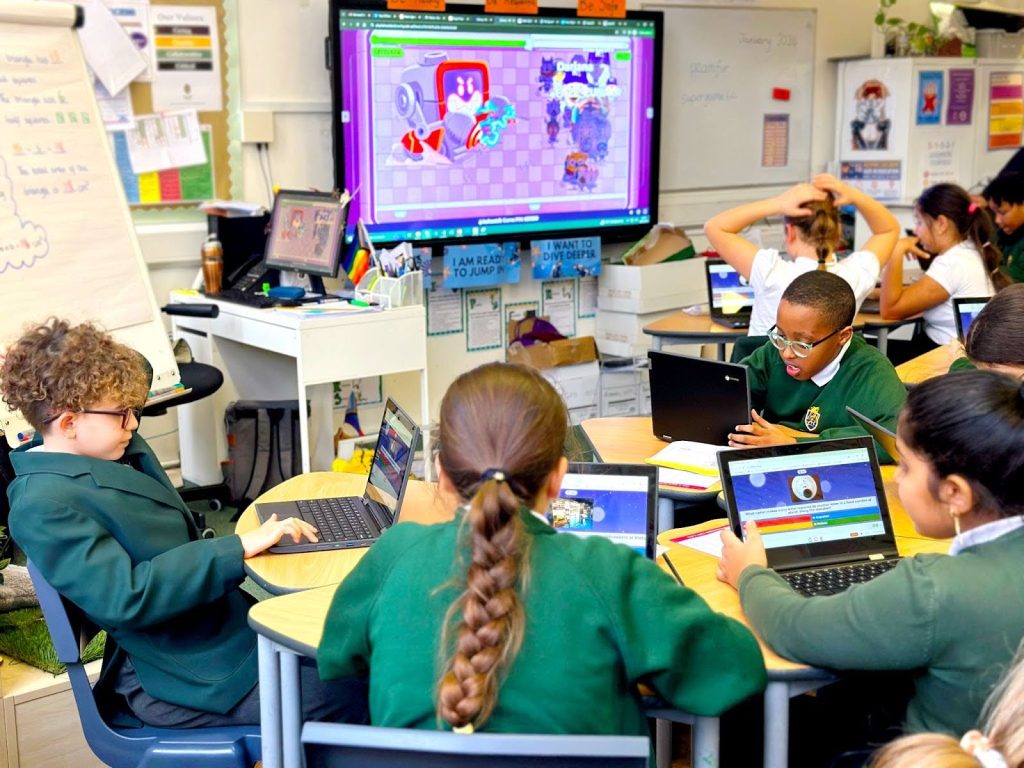
Participating in trivia games often involves teamwork or competing against others, creating a social atmosphere that can stimulate mental activity. Teams must communicate effectively, share knowledge, and debate answers, all of which reinforce critical thinking. By fostering an interactive environment where players engage in discussions, trivia games become tools for learning and reasoning.
- Collaborative Learning: When players collaborate in teams, they bring their diverse backgrounds and perspectives to the table. For instance, a player familiar with Nigerian history may enhance the team’s understanding of the significance of the Biafran War, while another with a knack for global affairs can contribute insights on the impact of colonialism. This merging of ideas not only enriches the gaming experience but also expands each member’s worldview.
- Healthy Competition: The competitive aspect of trivia games drives participants to continuously improve their knowledge base. As players strive to outperform their peers, they are motivated to research and learn new facts. This drive can lead to a deeper understanding of various subjects such as contemporary science or the dynamics of social justice movements in Nigeria.
- Cognitive Dissonance: Trivia games can often challenge players’ preconceived notions, pushing them to reconsider their established beliefs. When faced with unexpected trivia questions, like the modern economic contributions of Nigerian artists or the historical impacts of the Nok culture, players are prompted to re-evaluate their understanding of these topics.
Moreover, trivia games can serve as an excellent platform to introduce crucial historical contexts and events specific to Nigeria, igniting conversations that bridge past and present realities. Engaging with trivia questions related to Nigeria’s rich cultural heritage, such as the significance of the Lagos Carnival or the contributions of Afrobeat music to global culture, opens opportunities for critical analysis and understanding. With each correct answer, players strengthen their grasp of historical events and cultural milestones.
By elevating simple question-and-answer formats into stimulating learning sessions, trivia games transform social interactions into educational opportunities. As players delve deeper into topics, they are not only building memory recall but also honing their analytical capabilities—skills that are essential in today’s world of rapid information flow and complex decision-making.
As we explore further, it becomes increasingly clear that trivia games are not just for fun but are integral to developing critical thinking skills that can have lasting impacts beyond the gaming table. Can you imagine the possibilities when trivia games are harnessed to unlock deeper understanding and analytical capabilities?
| Advantages | Details |
|---|---|
| Improved Decision-Making | Trivia games require quick thinking and assessment, enhancing the ability to make decisions based on available information. |
| Enhanced Problem-Solving Skills | Players learn to analyze clues and navigate complex questions, fostering critical problem-solving abilities. |
Incorporating trivia games into educational or fun activities can significantly bolster critical thinking skills. One of the most striking benefits is the promotion of team collaboration. Participants often play in groups, encouraging discussion and collective reasoning, which is essential for tackling real-world challenges. Additionally, trivia games can introduce players to a variety of topics—ranging from history to science—broadening their knowledge base and cognitive flexibility. Moreover, trivia games can serve as an engaging tool for lifelong learning. Players encounter new information through gameplay, stimulating curiosity and a desire to delve deeper into specific subjects. The act of trying to recall facts or deduce answers relies heavily on memory and thought processes, both of which are key components of strong critical thinking. Research shows that regular participation in trivia can lead to enhanced cognitive functions, linking the enjoyment of games with tangible intellectual growth. Engaging with trivia not only entertains but also equips individuals with vital skills needed in academic and professional settings, proving to be a valuable asset for all ages.
SEE ALSO: Click here to read another article
The Role of Knowledge and Curiosity in Trivia Games
At the heart of trivia games lies an intricate relationship between knowledge acquisition and intellectual curiosity. Engaging with diverse topics not only tests existing knowledge but also motivates players to seek out new information beyond the game. This process of exploration is vital in nurturing critical thinking, a skill that allows individuals to engage thoughtfully with complex ideas and situations.
Broadening Knowledge Horizons
Trivia games often encompass a wide range of subjects, including history, science, literature, and pop culture. For instance, a question about Nigeria’s rich arts scene, such as the influence of renowned writers like Chinua Achebe, encourages players to delve into the countrys’ literary heritage. When faced with such questions, players may feel inclined to explore books or articles, ultimately expanding their knowledge base.
- Ecosystem of Curiosity: Trivia games serve as a springboard for curiosity. Once a player answers a question about the impact of Nollywood on global cinema, it may inspire them to investigate the nuances of film production in Nigeria or the cultural themes that resonate in contemporary movies. Such inquiries lead to informed discussions and deeper critical analysis.
- From the Local to the Global: Trivia prompts players to connect local history with global events. A question about Nigeria’s participation in international peacekeeping missions can spark conversations about the country’s role in the African Union and the broader discourse on global security. This interlinking of information helps players think critically about how local narratives fit into a global context.
- Encouraging Continuous Learning: As trivia players encounter unfamiliar topics, they are encouraged to cultivate a habit of lifelong learning. The thrill of uncovering new facts, be it about the Majidun River or the history of the Yoruba people, keeps the mind engaged. Players frequently experience a sense of accomplishment when they learn something new, reinforcing their critical thinking skills through increased knowledge retention.
Moreover, the design of trivia games often includes layers of complexity. Questions may not only require rote memorization but also the ability to associate disparate pieces of information with critical themes. Effectively navigating these complexities promotes higher-order thinking, which is crucial in developing robust analytical skills.
The dynamic nature of trivia contests encourages informed debate and dialogue among players. When faced with a question that challenges a common belief—perhaps about the historical significance of the Yoruba founding myths—players are prompted to examine their understanding through discussion, leading to a richer critical perspective. Such interactions can act as catalysts for understanding current issues, such as ethnic relations and cultural pride in Nigeria.
As players engage in these meaningful exchanges, they not only improve their performance in trivia games but also hone their ability to articulate thoughts and arguments clearly and succinctly. This bridge between knowledge acquisition and critical thinking underscores the importance of trivia games as tools for cognitive development and intellectual growth.
SEE ALSO: Click here to read another article
Conclusion: The Transformative Power of Trivia Games
In an increasingly complex world, where the ability to process information and think critically is paramount, trivia games emerge as more than just a popular pastime; they are powerful tools for enhancing critical thinking skills. Through a blend of knowledge acquisition, curiosity, and engaging discussions, trivia games encourage players to confront different perspectives and acknowledge the interconnectedness of various topics.
As players encounter diverse subjects like Nigerian history, cultural influences, and global events, they are not merely answering questions but embarking on a journey of learning that fosters a deeper understanding of their surroundings. This leads to a remarkable ecosystem of curiosity, prompting individuals to research and reflect beyond the confines of the game. By connecting local narratives to global contexts, trivia not only enriches individual knowledge but also hones analytical skills crucial for navigating modern challenges.
Moreover, the dynamic environment of trivia games cultivates an atmosphere ripe for debate and dialogue, where discussing challenging concepts can change perceptions and encourage informed opinions. This collaborative learning experience fosters a robust foundation for critical thinking, enhancing players’ abilities to articulate their thoughts effectively.
As we recognize the broader implications of engaging in trivia, it becomes clear that these games are essential in nurturing a mindset geared towards lifelong learning. Individuals who embrace the thrill of uncovering new insights transform every trivia question into an opportunity for cognitive growth. By incorporating trivia into our lives, we not only sharpen our minds but also empower ourselves to tackle the complexities of the world with confidence and creativity.